
Is rustproofing worth it
An honest look at the three kinds of rust protection sold in Ottawa, what each one really does against road salt, and when a yearly coat pays for itself.
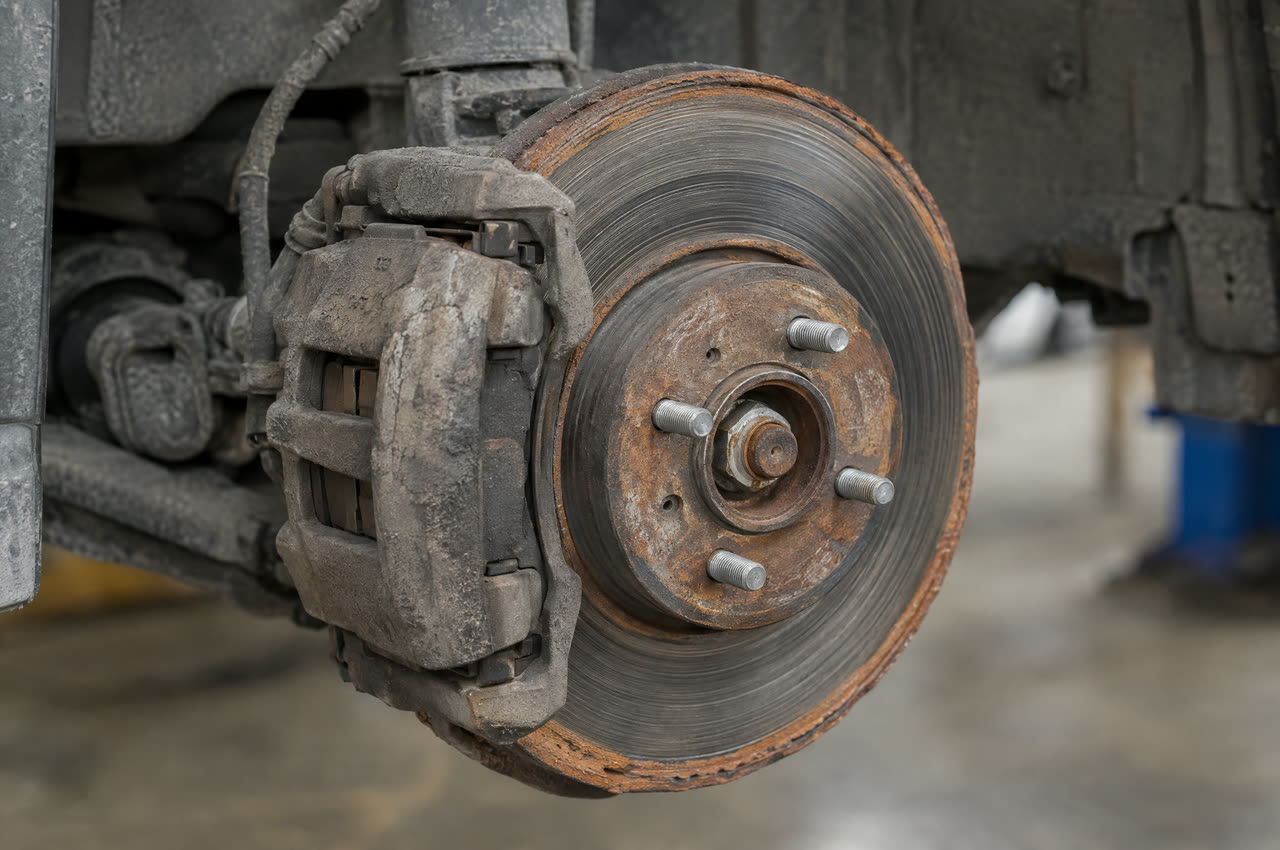
Why Ottawa cars rust from underneath
A car in Ottawa, Ontario spends five months of the year driving through brine. The city puts down salt and liquid brine ahead of storms and after them, and every car on the 417 or the 174 throws that mix up into the wheel wells, along the rocker panels and onto the floor pans.
Salt water is much harder on steel than rain. It also stays wet longer, because it keeps sitting in seams and behind plastic liners where the air never gets to it. Each thaw, the slush melts, soaks in, and freezes again overnight. That cycle is what turns a chip in the undercoating into a bubble in the rocker panel two winters later.
None of this shows from the driveway. The paint can look fine while brake lines, fuel lines and the edges of the subframe are scaling away underneath.
The three kinds of rust protection
Most of what is sold as rustproofing in Ottawa falls into three groups. They are not interchangeable, and the right choice depends on the car and how much mess you will put up with.
- Drip oil spray. A thin, light oil sprayed into doors, rockers and seams and over the underbody. It keeps moving after it goes on, so it wicks into tight joints and spot welds. The downside is the dripping. Expect spots on the driveway for several days and a film on the lower doors.
- No drip coating. A thicker, waxy or gel type product that sets up after spraying and stays put. It is cleaner to live with and holds up better against the spray from the road. It does not creep into seams as far as a thin oil does, so coverage depends on where it is sprayed.
- Tar or rubberized undercoating. A thick, hard layer on the exposed underside, often applied at the dealer. It also quiets road noise. The weak point is that it can crack or lift with age, and when water gets behind a hard coating it stays trapped against the metal with nowhere to go.
The oil and no drip products wear off and are meant to be redone. A hard undercoating is usually a one time application, and that is part of the problem: nobody looks under it again until the rust shows through.
What rustproofing can do
A good coat keeps salty water off bare metal and out of the seams where rust starts. On a newer car with clean metal, that is most of the battle. The panels and pinch welds stay protected, and the factory coating lasts longer because it is not being attacked directly.
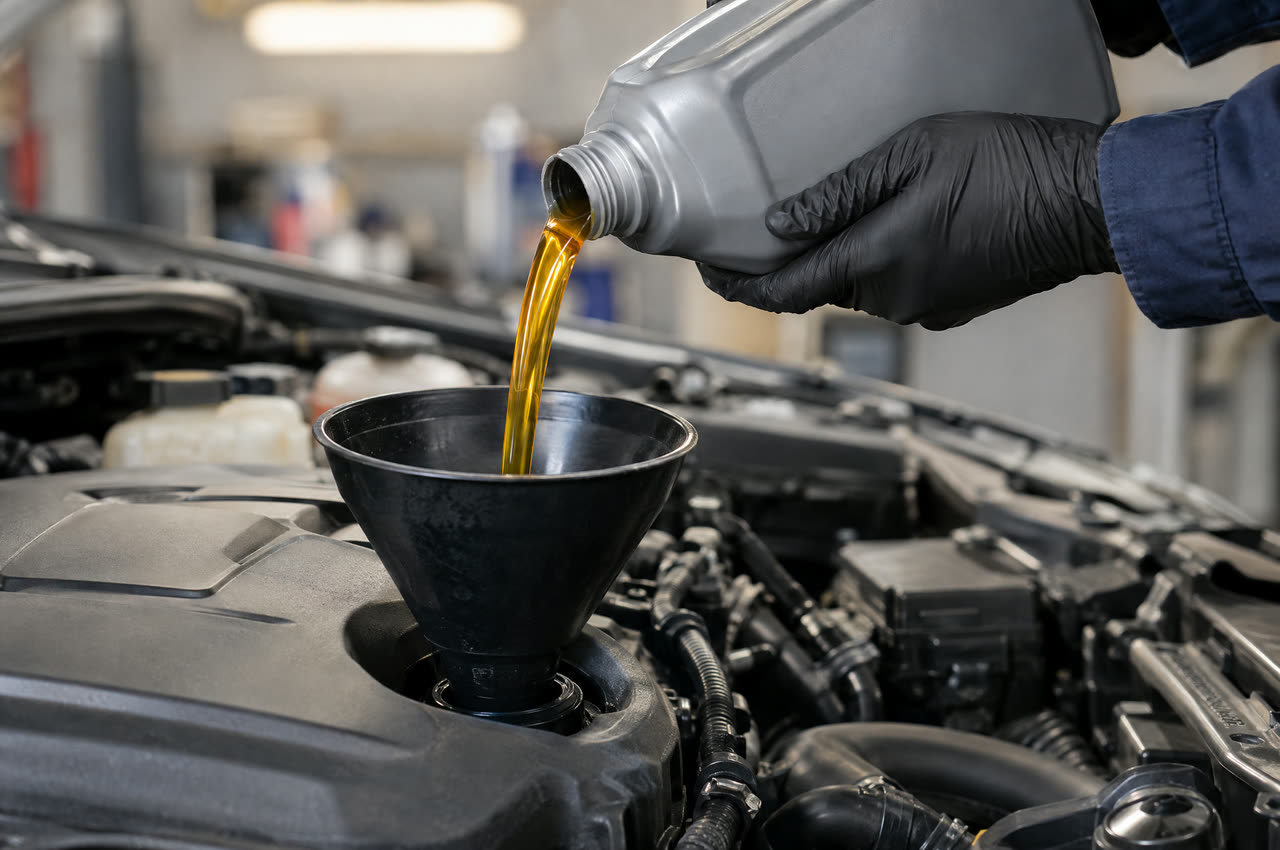
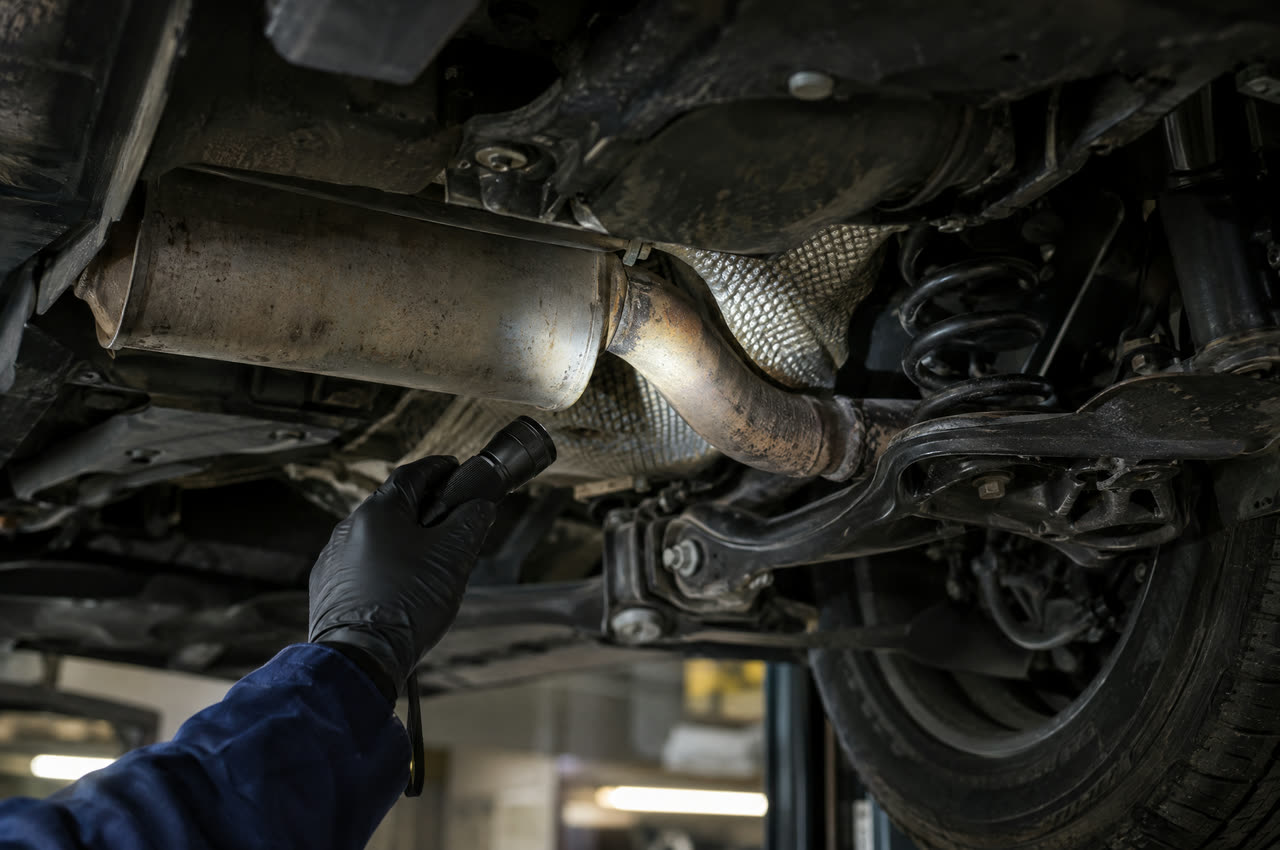
It also helps the parts that make a car expensive to keep. Brake and fuel lines, bolts that will need to come off later, exhaust hangers and suspension mounts all benefit from a film between them and the slush. Bolts that have been coated every year tend to come apart when a brake job or a strut replacement comes due, instead of snapping.
What it can’t do
It will not reverse rust. Metal that has already thinned or rotted through stays that way, and spraying over heavy scale mostly coats the scale. A rusted brake line still needs to be replaced. A rocker with a hole in it still has a hole in it.
Rustproofing is not a fix for structural rust. If a frame rail, subframe mount or suspension point is badly corroded, coating it hides the problem from the next person who looks, which may be the inspector doing your Ontario safety inspection.
It also will not do much if it is done once and forgotten. The products that protect best are the ones that wear off, so the value comes from doing it every year.
When to book it
Early fall is the right window, before the first real salting, which in Ottawa usually means booking in September, October or the first half of November. The underside should be dry so the product bonds to metal. A car that just came through a week of slush is not the ideal candidate, so if you are booking late, give it a dry day or two first.
If you are already coming in for winter tires, it makes sense to do both at once. The car is on a hoist either way, and you only have to arrange the time off once.
Is it worth it on your car
A simple way to decide:
- A new or nearly new car you plan to keep for years is where yearly rustproofing pays back the most.
- A car a few years old with light surface rust underneath still benefits. It slows things down and keeps fasteners serviceable.
- A car with heavy scale, perforated panels or rotted lines needs repairs first. Coating it will not change what an inspection finds.
- A car you are selling this winter probably does not need it.
Leased cars are worth a thought too. Rust damage can show up at lease return, and a yearly coat is cheap next to body repair.
No drip rustproofing at SA Auto Repair
The shop uses a no drip product, so you can park in the garage the same night without a puddle under the car. The posted price is $140 for a car and $180 for an SUV, before tax. You can see the details on the rustproofing page and every posted price on the price list.
We are at Unit 1, 1541 Star Top Road, just off Highway 417 at Exit 112 (Innes Road), and open Saturdays from 9:30am to 2pm. You can book online any time and pick the rustproofing slot for a car or an SUV. If there is something under the car you are already worried about, put it in the description so it gets a look while the car is up.
Questions people ask
Is rustproofing worth it on a new car in Ottawa?
On a new car it is worth the most, because there is no rust yet to trap under the product. A yearly coat keeps salty water away from seams and bare metal while the factory protection is still intact. The longer you plan to keep the car, the more it pays back.
What is the difference between drip and no drip rustproofing?
A drip product is a thin oil that runs into seams and keeps creeping for days, which also means it drips on your driveway. A no drip product is thicker and stays where it is sprayed, so it is cleaner but does not travel as far into tight gaps. Both need to be reapplied, usually once a year.
When is the best time to rustproof a car in Ottawa?
Early fall, before the city starts salting, usually September to early November. The car should be dry and clean underneath so the product sticks to metal instead of to mud and old salt. Doing it every year at the same time keeps the coverage even.
Can rustproofing stop rust that has already started?
It can slow surface rust by keeping moisture and oxygen off it, but it cannot rebuild metal that has already thinned or rotted through. Scale should be knocked off first, and anything structural or perforated needs repair, not coating. On a badly rusted car, rustproofing buys time rather than fixing anything.
How much does rustproofing cost at SA Auto Repair?
The no drip rustproofing is $140 for a car and $180 for an SUV, before tax. You can book it online any time, and Saturday mornings are open as well.
Related work
Book a time that suits you
Pick a time on the booking page whenever it suits you, describe what the car is doing and add a few photos. Drop it off by 2pm on the day you picked.