What salt does to a car in Ottawa
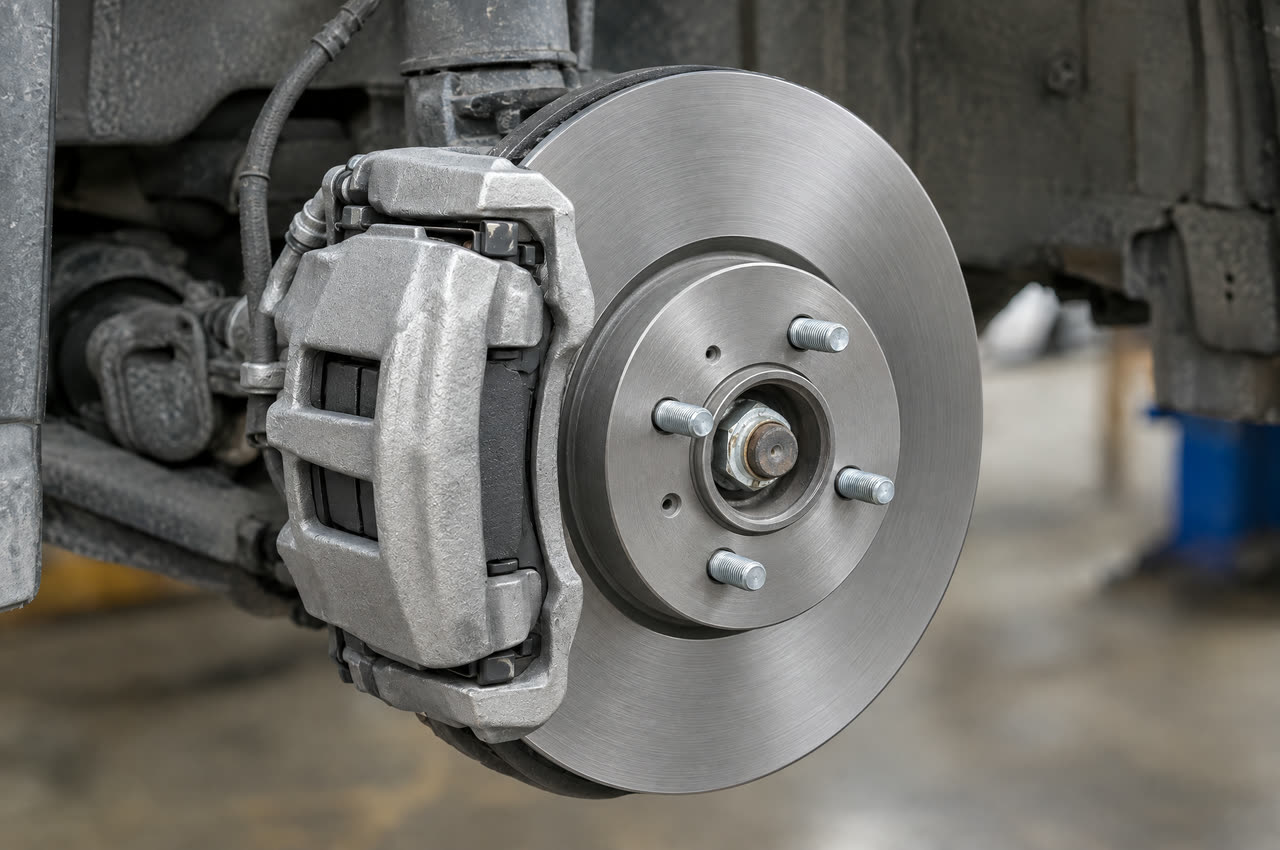
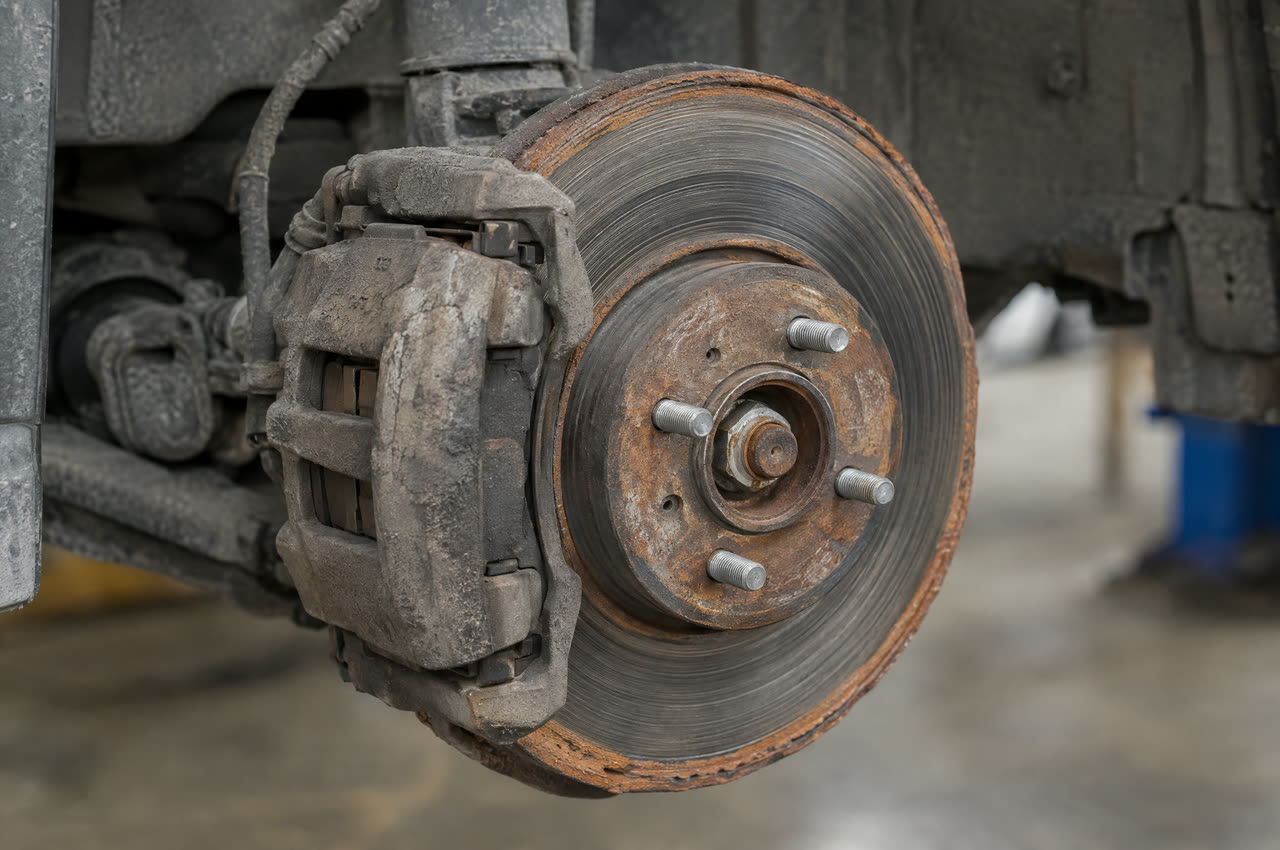
From November to April the city puts down a lot of salt, and the brine sprayed on the 417 and the 174 ahead of a storm coats everything underneath your car. The salt alone is only part of it. Slush packs into seams, behind plastic splash shields and into the bottom of the rocker panels, then stays wet for weeks while the freeze thaw cycle keeps it moving. Steel rusts fastest when it stays damp and salty, and on most cars nobody notices until a bubble shows up on a rear wheel arch.
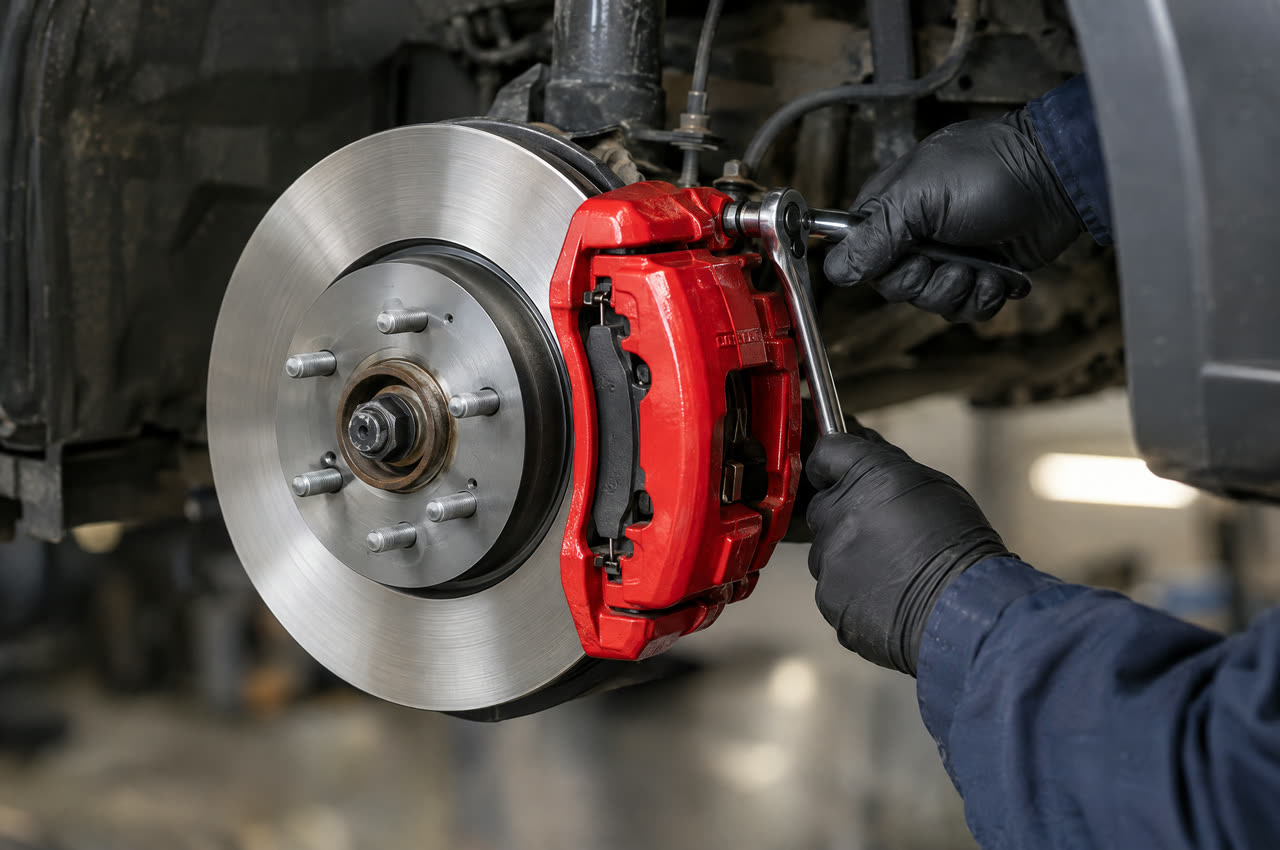
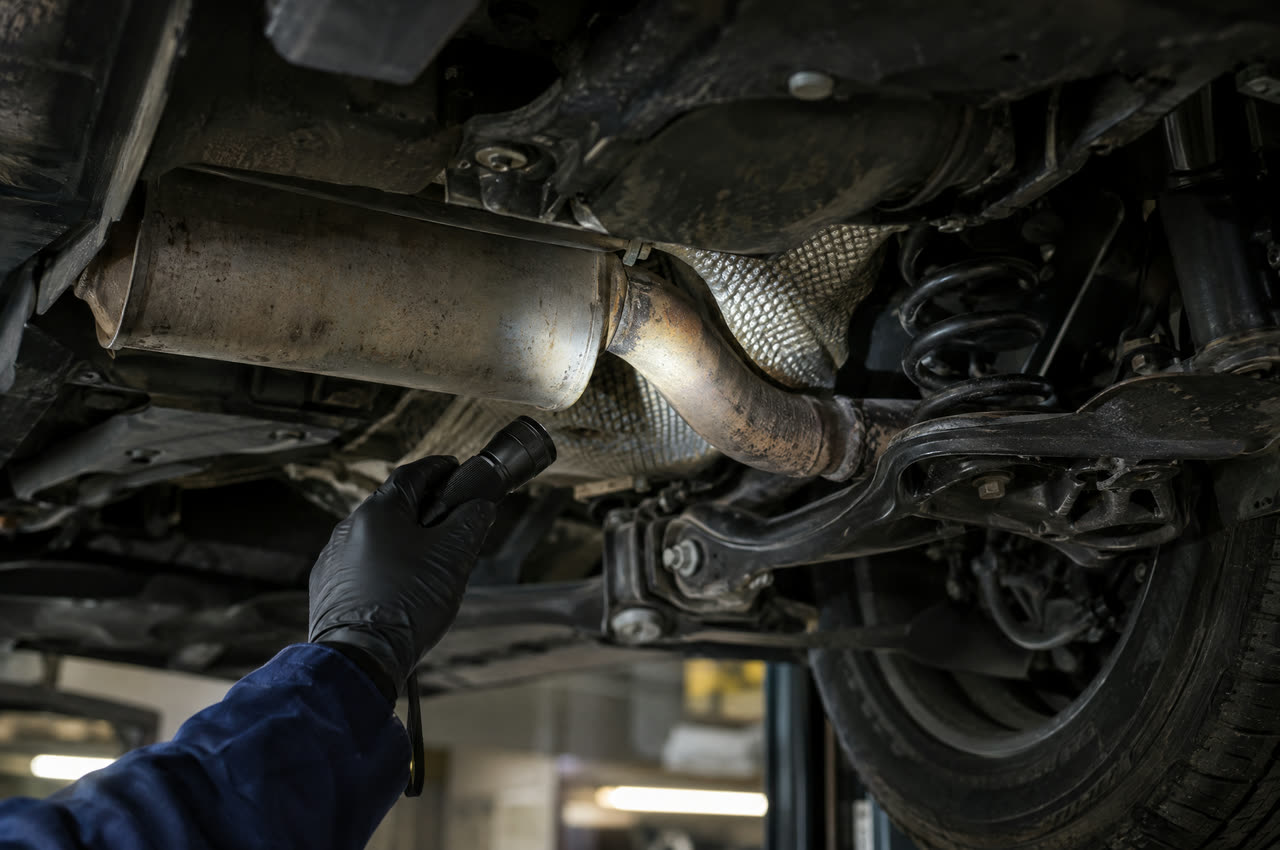
The parts that take the worst of it are the ones you never look at: brake and fuel lines clipped along the floor, subframes and frame rails, rocker panels under the doors, the rear wheel arches, the pinch welds where panels are joined, and the exhaust hangers. Rustproofing does not keep salt away from those places. It puts a film between the metal and the salty water so the steel rusts much more slowly.
Drip and no drip products, honestly
There are two main kinds of spray. Drip products are a thin oil. Sprayed underneath, they creep into seams, behind clips and along the folded edges of doors and hoods, which is exactly where rust likes to start. The cost of that thinness is that the car drips for a day or two afterwards, on your driveway, on the garage floor, in the parking lot at work. It also washes off faster and smells oily for a while.
No drip products are thicker, closer to a soft wax or a heavy grease. They stay where they land, so there are no puddles and nothing tracked into the house, and the coating tends to hang on to exposed surfaces through the winter. The trade off is that a thick product does not wick as far into tight seams by itself, so it depends more on the spray actually reaching those spots.
SA Auto Repair uses a no drip product. If you park in a heated garage, in a condo lot that does not allow dripping cars, or on a driveway you would rather keep clean, no drip is the easier one to live with. If your car has had drip oil in past years, that is fine. Mention it when you book.
What gets sprayed
The coating goes on the underside: the floor pans, the frame rails or subframes, the inside of the wheel wells, the suspension mounting points and the seams along the rocker panels. Brake lines and fuel lines running along the floor get covered so the steel is not left bare to the brine. Parts of the exhaust that get hot are kept clear, because coating on a hot pipe smokes and smells.
This is not the hard rubberized undercoating some older cars came with. That kind can crack with age and hold water against the metal behind it. A soft coating stays flexible, does not trap moisture, and can simply be topped up every year.
When to do it in Ottawa
The best time is the fall, before the first salt. In Ottawa that usually means October or the first half of November, while the metal is still dry and the temperature is above freezing so the coating spreads well. Plenty of people book it the same week as their winter tire change so the car only comes in once.
Do it every year. A winter of slush, highway spray and car washes wears the coating down, especially at the front of the car and inside the wheel wells. On a new car, start before its first winter, while the metal underneath is still clean. On an older car with surface rust, a coating slows things down but will not undo rot. Rust that has eaten through a structural part is a repair job, and on a car being sold it can fail an Ontario safety inspection.
How to prepare your car
- Wash the car a day or two before, underneath as well if you can, so it arrives dry. Coating sprayed over road grime sticks to the grime.
- Book before the first real snowfall. Fall gets busy with tire swaps.
- Tell us about any rust spots, leaks or rattles you already know about, or add photos to the booking.
- Plan on leaving the car for a while and drop it off by 2pm.
Price and what you get
Rustproofing is $140 for a car and $180 for an SUV, before tax, with a no drip product. On the booking page, choose rustproofing for a car or for an SUV, pick a time, and add your vehicle by VIN scan or by year, make and model. Saturdays run from 9:30am to 2pm if a weekday is hard to get off.
While the car is up, the underside gets a good look anyway. If a brake line is scaling badly or an exhaust hanger is about to let go, you will hear about it, and we can quote brake repair or exhaust work separately. Nothing extra is done without your OK. For a longer look at whether it pays off, read is rustproofing worth it in Ottawa.
Questions people ask
How much does rustproofing cost in Ottawa?
At SA Auto Repair on Star Top Road, rustproofing is $140 for a car and $180 for an SUV, before tax. Both use a no drip product. You can book either one online at any hour and drop the car off by 2pm.
Is drip or no drip rustproofing better?
Drip oil is thinner, so it creeps further into seams on its own, but it drips for a day or two and washes off sooner. A no drip coating is thicker, stays where it is sprayed and leaves no puddles in the garage or driveway. Both need to be redone every year, so the choice mostly comes down to where you park and how much mess you will put up with.
When is the best time to rustproof a car in Ottawa?
In the fall, before the city starts salting, which in Ottawa usually means October or early November. The metal should be clean and dry so the coating sticks to steel and not to road grime. Spraying again every fall keeps the protection from wearing thin.
Does rustproofing stop rust that is already there?
It slows surface rust down by keeping water and salt off the metal, but it does not repair anything. Panels or frame parts that are already rotted through need to be repaired or replaced. The best results come from starting on a newer car before the first winter.
Do I need to wash my car before rustproofing?
Yes, ideally a day or two before, including the underside, so it arrives clean and dry. A coating sprayed over caked slush and salt bonds to the dirt instead of the steel. If the car comes in wet or muddy, the coating will not do its job as well.