What a tune up means now
The word tune up comes from a time when a mechanic set the ignition timing, filed the points and adjusted the carburetor every year. None of that exists on a modern car. The engine computer manages timing and fuel on its own, and spark plugs can last a long time. What is left is maintenance. Replacing the parts that wear on a schedule, topping up and checking fluids, and looking over the whole car for anything that is starting to fail.
That is what the $150 tune up and yearly maintenance visit is for. It is the visit that catches a cracked belt, a weeping water pump or a brake pad down to its last few millimetres while it is still a planned repair instead of a breakdown on the 417.
What the yearly visit typically covers
The exact list depends on the car and its kilometres. A yearly maintenance visit at most shops typically includes these items.
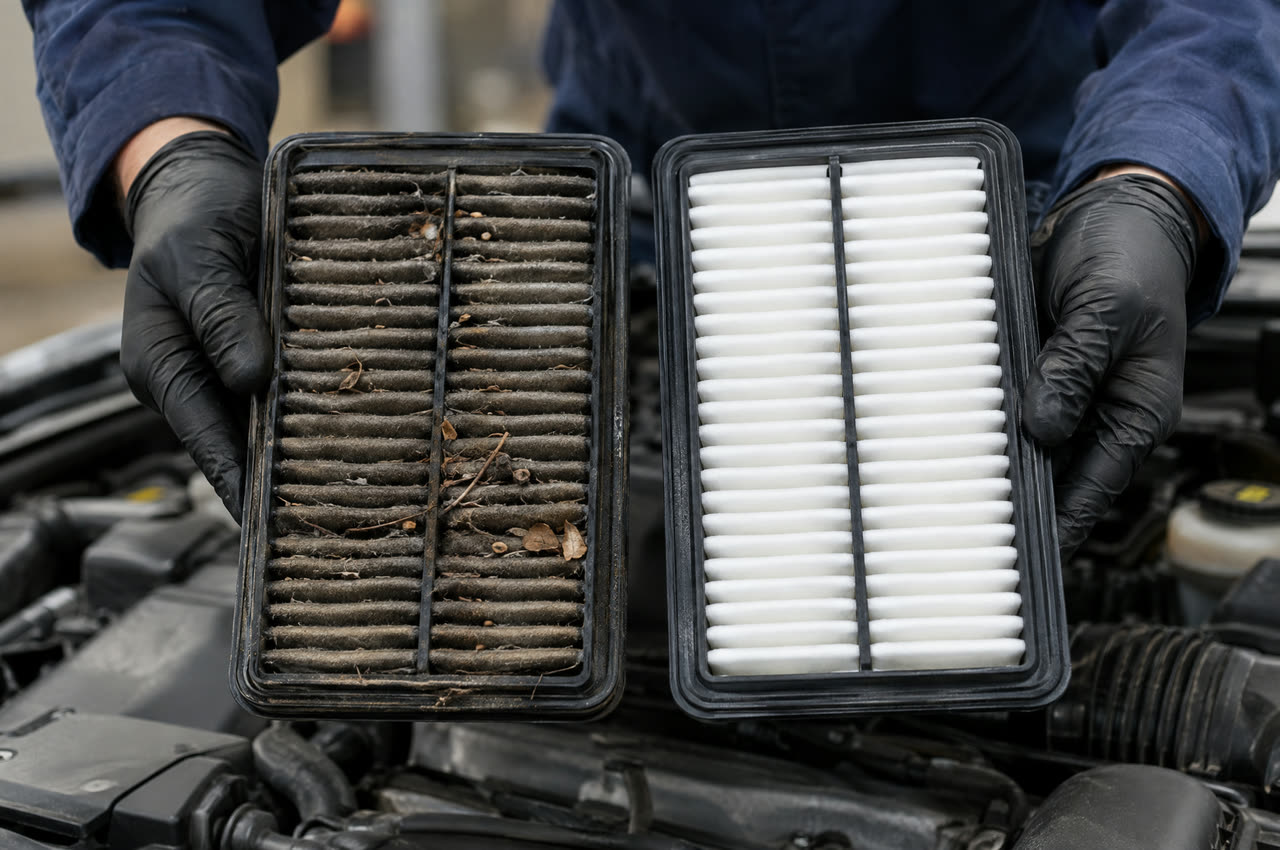
- Engine air filter, and the cabin air filter that feeds the heater and A/C
- Spark plugs, when the car is at or past the interval in its maintenance schedule
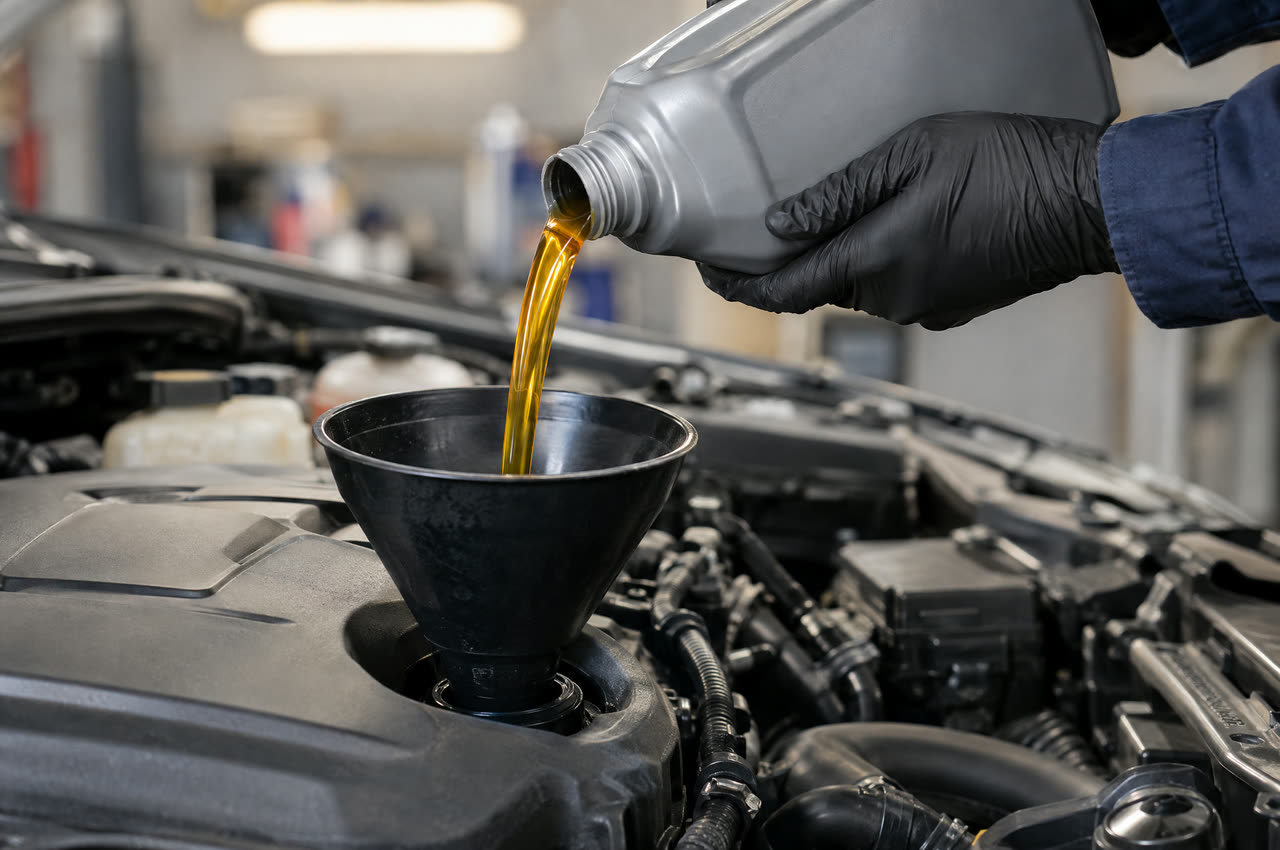
- Fluid levels and condition, including coolant, brake fluid, power steering and washer fluid
- Drive belt and coolant hoses checked for cracks, glazing and soft spots
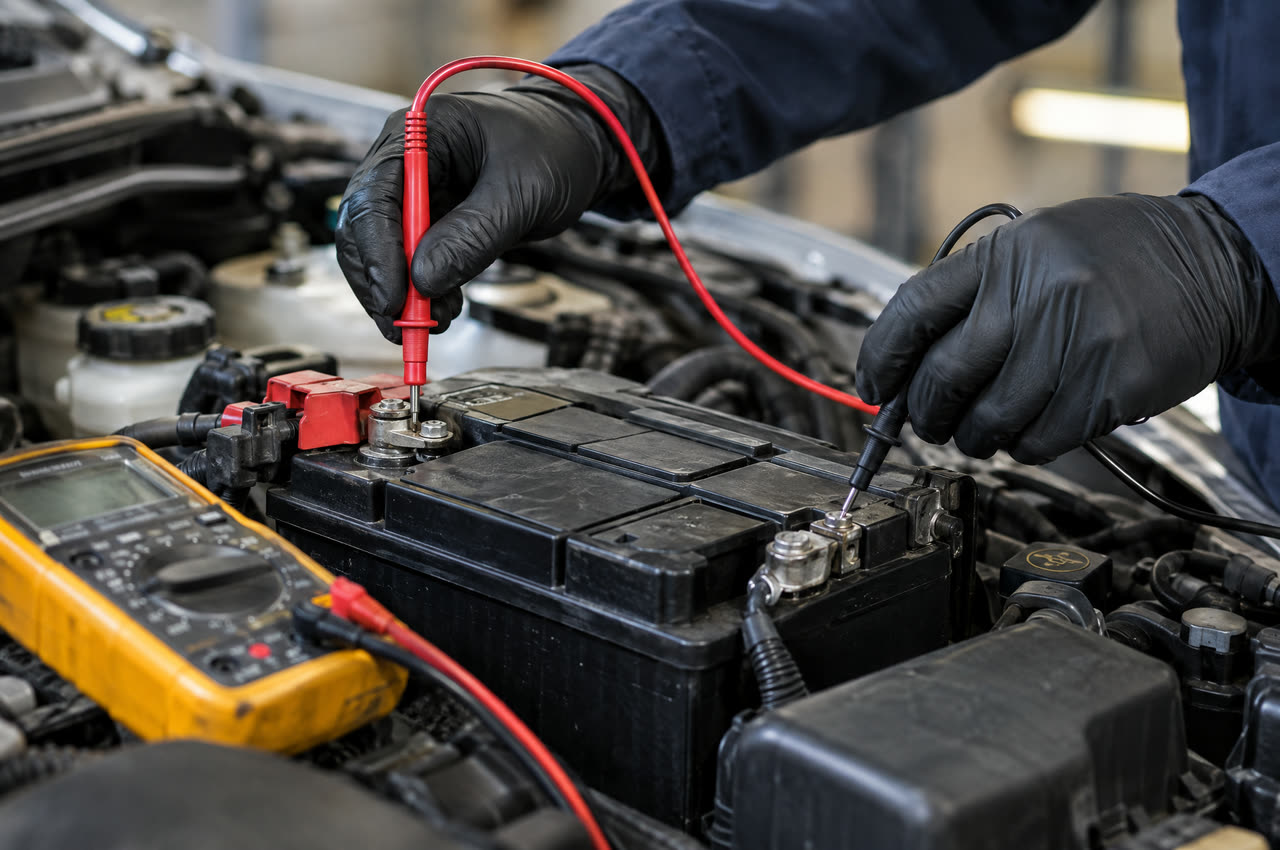
- Battery and charging system tested
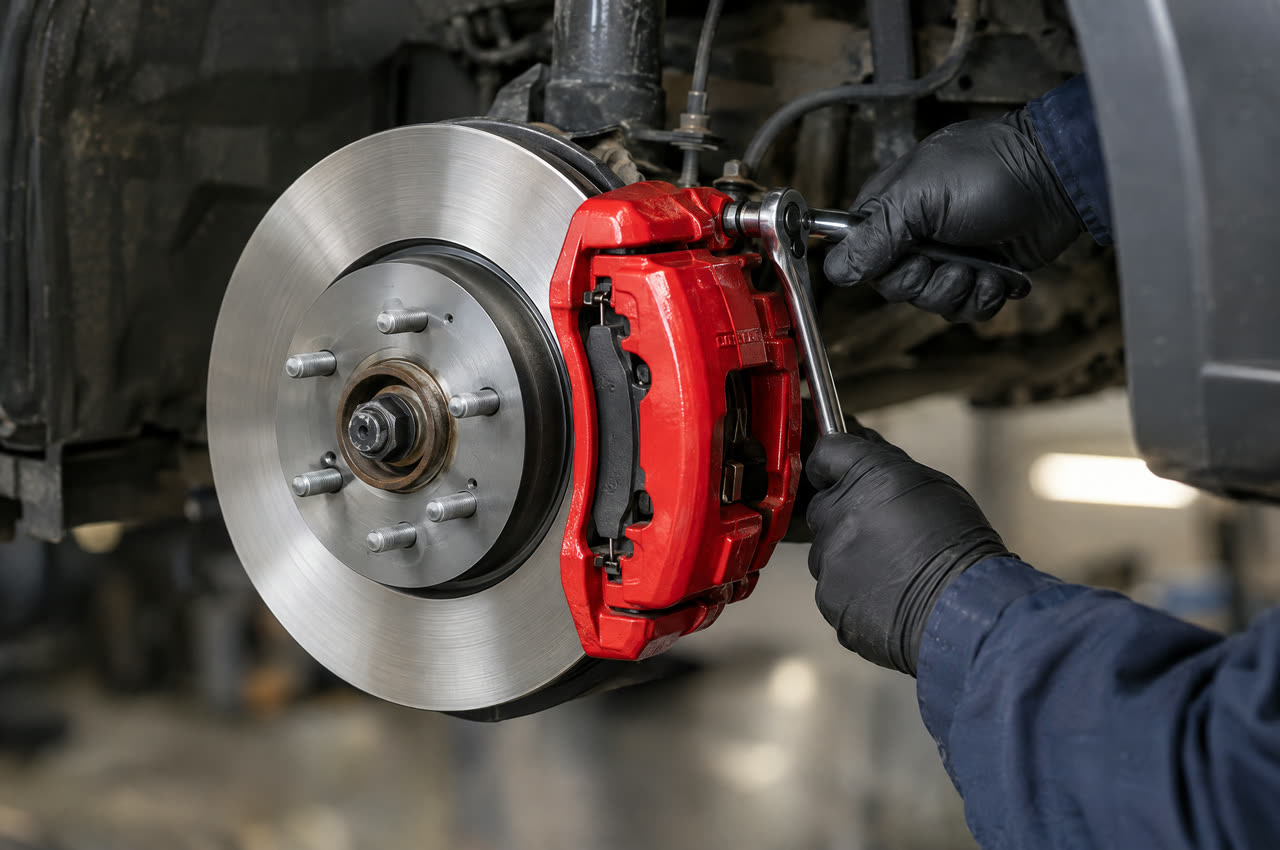
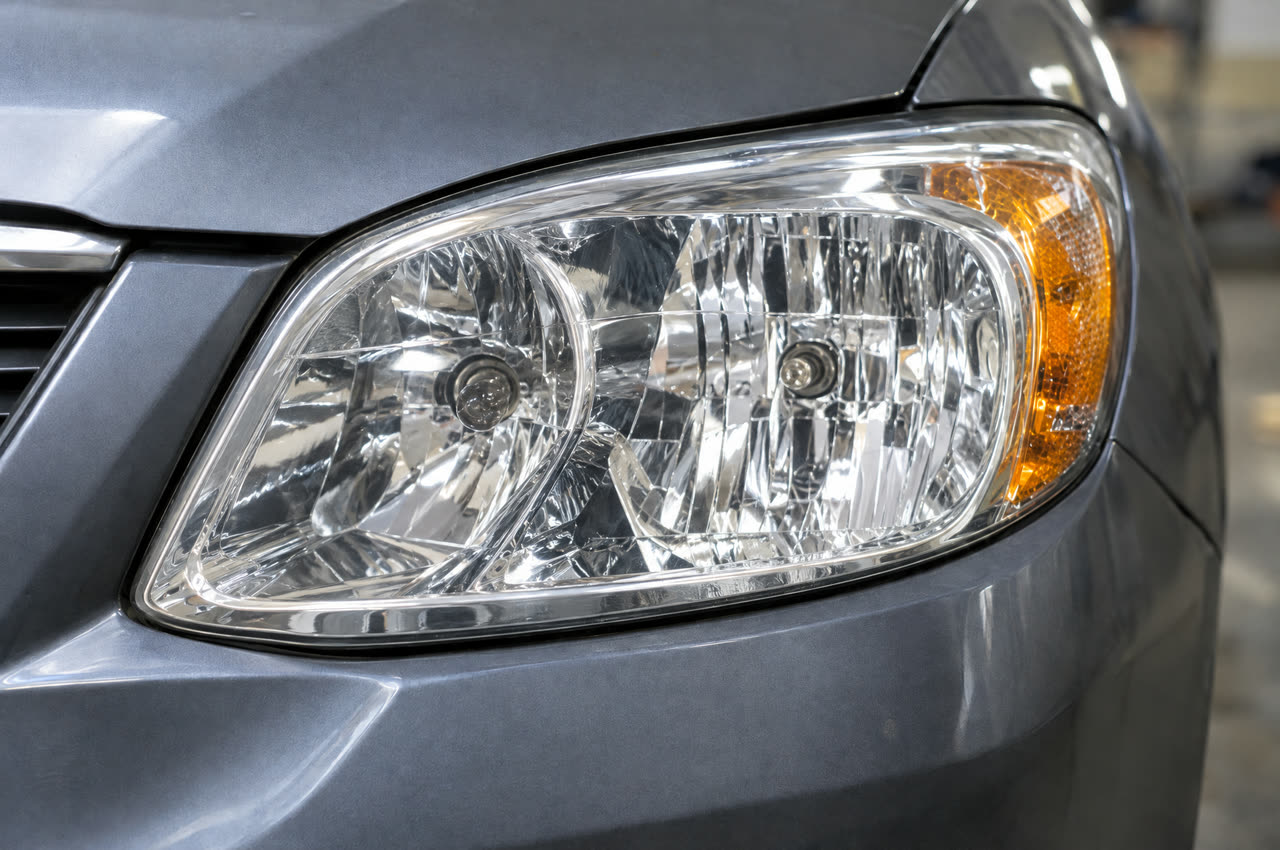
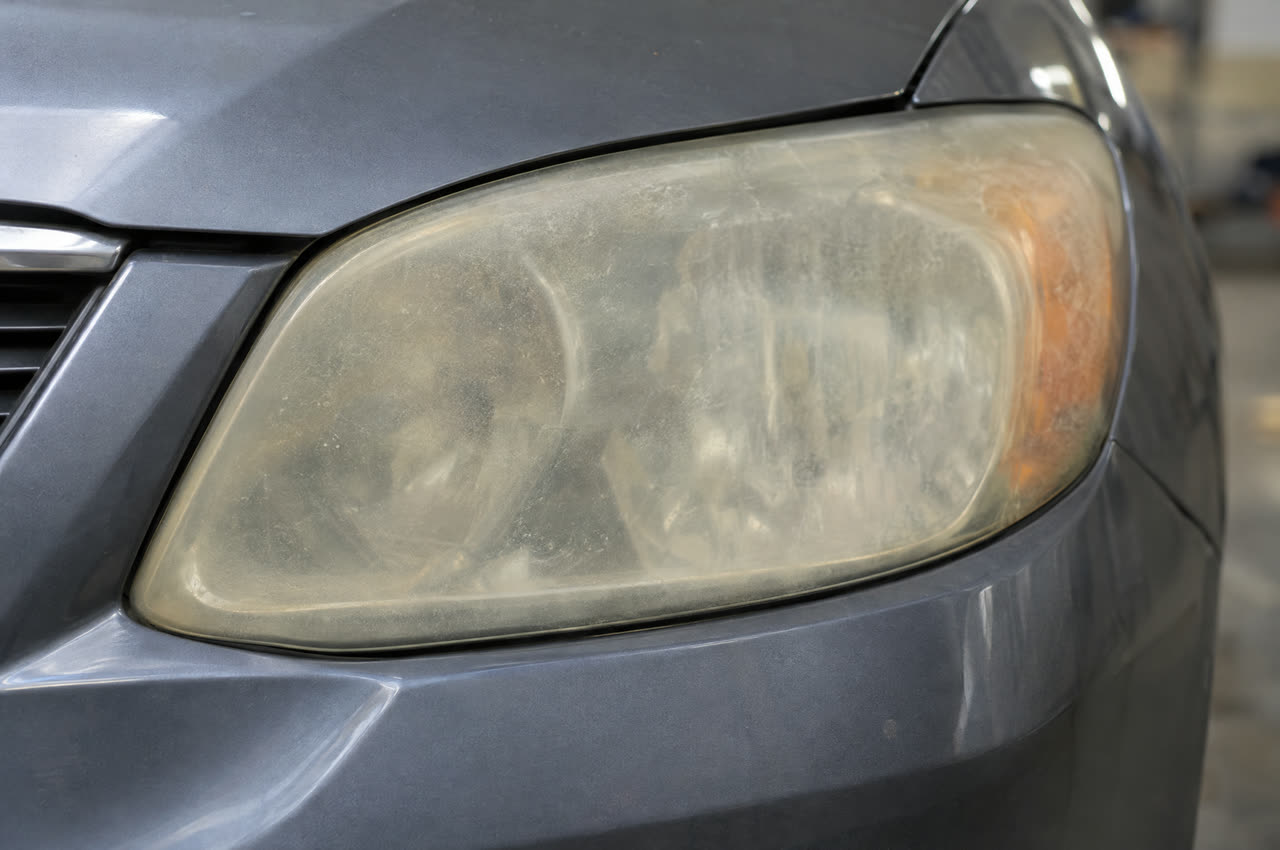
- Brakes, tires, lights and wipers looked over
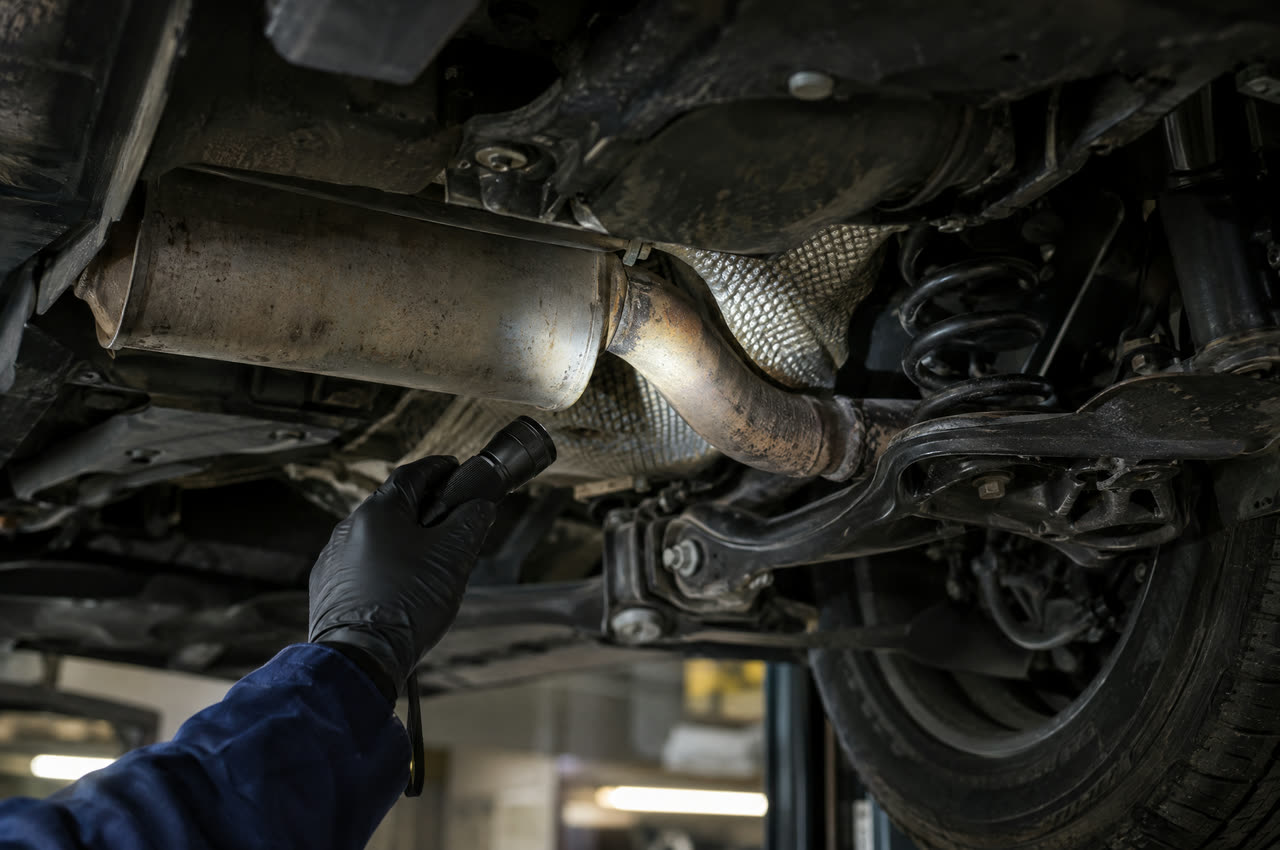
- A look underneath for leaks, rust and worn steering or suspension parts
- A computer scan for stored fault codes, even when no light is on
When you book, the description box is a good place to ask what applies to your car. Some engines have plugs under the intake manifold, which changes the labour involved, and the answer is easier to give once the year, make and model are known.
Ottawa counts as severe service
Most owner’s manuals have two maintenance schedules, normal and severe. Read the fine print on the severe one and it usually describes Ottawa. Repeated short trips, temperatures well below freezing, stop and go traffic, dusty or salted roads. A car that does the school run and a trip to the grocery store in January rarely gets fully warm, so moisture and fuel collect in the oil and the battery never fully recharges.
If that sounds like your driving, the shorter intervals apply to you. That is one reason a once a year visit makes sense here even for a car that does not rack up many kilometres.
Signs the car is overdue
Cars rarely fail all at once. They drift. A few signs that the yearly visit is past due:
- The engine cranks a little longer than it used to on cold mornings
- A rough or shaky idle at a stop, or a stumble when you pull away
- Fuel economy that has slowly dropped over the past few months
- A squeal from under the hood for the first minute after a cold start
- Weak airflow from the vents, often a plugged cabin filter
- A sticker on the windshield or a dash reminder that passed a while ago
None of these on its own means something is wrong. Together they usually mean the car has gone a long stretch without anyone looking at it.
Fall or spring
The best time for the yearly visit is late September or October. Winter tires usually go on in late October and November, and booking the tune up on the same trip means the car is checked before the cold arrives. A battery that tests weak in October is a battery that leaves you stranded in January, and a coolant mix that is too weak can freeze. A battery test is part of the point of the visit.
Spring is the other good time. After a winter of salt and potholes, April is when corrosion on brake lines, rusted brake hardware and a bent tie rod are easiest to find. If your tires are coming off in April anyway, the car is already in the shop.
What the $150 does not replace
A tune up is not an oil change. The oil change is its own service on the booking page, $55 for regular oil and from $100 for synthetic. Many people book the two together once a year and then do oil changes on their own on the interval their car needs.
It is also not a repair. If the visit finds worn brake pads, a leaking gasket or a dead battery, you get a separate price for that part of the work and you decide whether to go ahead now, later or not at all.
If a check engine light is already on, mention it when you book. A light that has a clear cause can often be dealt with on the same visit, and one that needs testing may need the $50 diagnostic scan on its own.
Booking the yearly visit
The shop is at Unit 1, 1541 Star Top Road in Ottawa, ON, just off Highway 417 at Exit 112. Book online at any hour, choose the tune up and yearly maintenance option, and add your kilometres and anything you have noticed, from a squeak on cold starts to a pull to one side. Drop offs are taken until 2pm. Saturday hours are 9:30am to 2pm.
Questions people ask
How much is a tune up in Ottawa?
At SA Auto Repair the tune up and yearly maintenance visit is posted at $150 before tax. If the visit turns up something that needs replacing beyond routine maintenance, such as brake pads or a worn belt, you get a separate price and decide whether to go ahead.
What does a tune up include on a modern car?
On a modern car a tune up typically means replacing filters and spark plugs when they are due, checking and topping up fluids, and inspecting belts, hoses, brakes, tires, the battery and the underbody. The old work of setting timing and adjusting a carburetor no longer exists, because the engine computer handles it.
How often should I get a tune up?
Once a year is a sensible rhythm for most cars in Ottawa, and your owner's manual lists the exact intervals for spark plugs and filters. Short trips, extreme cold and salted roads usually count as severe service, which shortens some of those intervals.
Is a tune up the same as an oil change?
No. An oil change replaces the engine oil and filter, while a tune up covers the filters, plugs, fluids and inspection items around it. The oil change is booked as its own service, $55 for regular oil and from $100 for synthetic.
When is the best time for a tune up in Ottawa?
Late September and October work well, before the first hard frost, so the battery, belts and coolant are checked before minus 25 mornings. Spring, after the salt season, is the other good time, because it is when rust and pothole damage from the winter are easiest to spot.