
The Ontario safety certificate
What a Safety Standards Certificate is, when you need one, what the inspection covers since DriveON, and why Ottawa cars fail it.
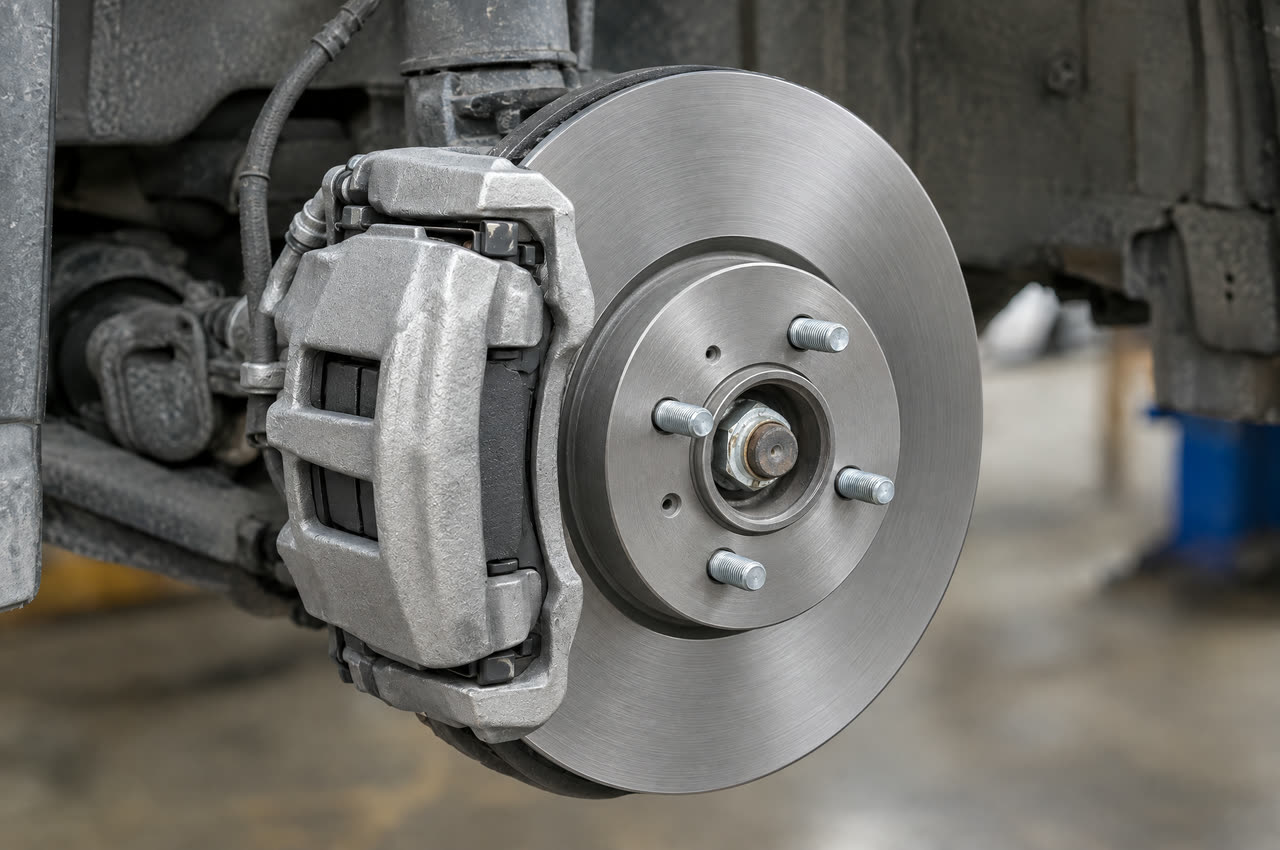
What a Safety Standards Certificate is
A Safety Standards Certificate, usually just called a safety, says a used vehicle met Ontario’s minimum safety standards on the day it was inspected. It is not a warranty and it is not a promise about next month. It is a snapshot of the brakes, steering, suspension, tires, lights, body and the rest of the items the province lists, checked against a written standard.
You see it most when a car changes hands. A buyer in Ottawa, Ontario cannot put plates on most used cars without one.
What changed with DriveON
Since March 31, 2025, Safety Standards Certificates are issued electronically through Ontario’s DriveON program by licensed inspection facilities. The old paper certificate is gone. The inspection results are entered into the province’s system, and the certificate is tied to the vehicle’s VIN.
For you, the practical change is small. You still bring the car in, it still gets inspected, and you still need a pass before ServiceOntario will register the car to its new owner. The difference is that there is less paper to lose and the record is harder to fake.
When you need one
The common cases:
- You bought a used car privately and want to plate it in your name.
- You are selling a car and want to sell it with a safety, which usually brings a better price.
- You are bringing a car into Ontario from another province.
- A car was registered as unfit and you want it back on the road.
A safety is valid for 36 days from the inspection. If the paperwork drags past that, the car has to be inspected again. If you are selling, time the inspection so the buyer has room to get to ServiceOntario.
If the car is coming to you from a family member, check with ServiceOntario what applies to your situation before you book.
What gets inspected
The inspection follows the provincial standard, item by item. In broad strokes it covers:
- Brakes: pads or shoes, rotors or drums, calipers, hoses, steel lines, the parking brake and the pedal.
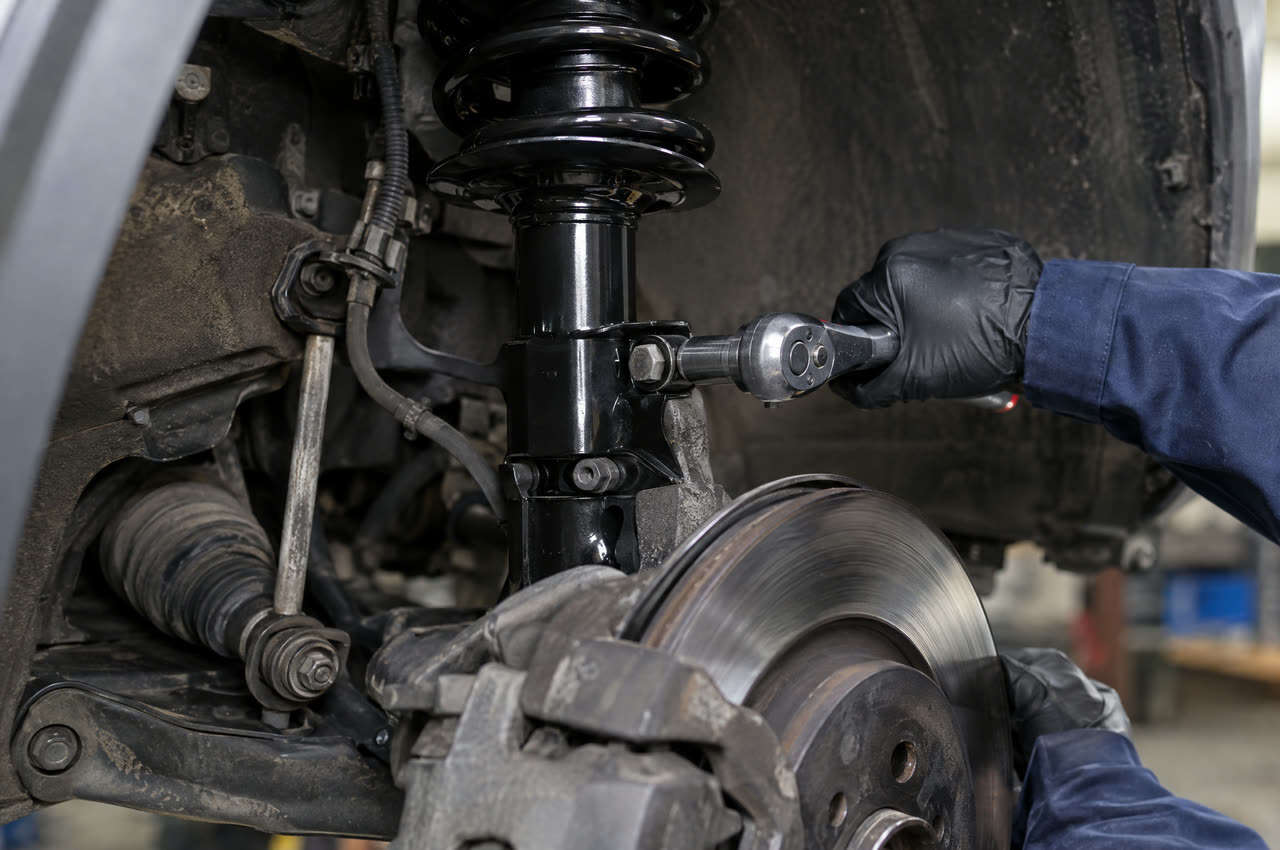
- Steering and suspension: ball joints, tie rod ends, control arm bushings, springs, shocks and struts, play in the steering.
- Tires and wheels: tread depth, damage, matching sizes, and wheel nuts and studs.
- Lights and electrical: headlights, brake lights, signals, the horn, and the wipers and washers.
- Body and frame: rust holes, sharp edges, doors that open and latch, bumpers and hood latch.
- Glass, mirrors and seatbelts: cracks in the driver’s view, mirrors that are there and work, belts that latch and retract.
- Exhaust and fuel: leaks, loose hangers and anything that could let fumes or fuel escape.
It is a pass or fail on each item. The inspector does not get to wave something through because the rest of the car is nice.
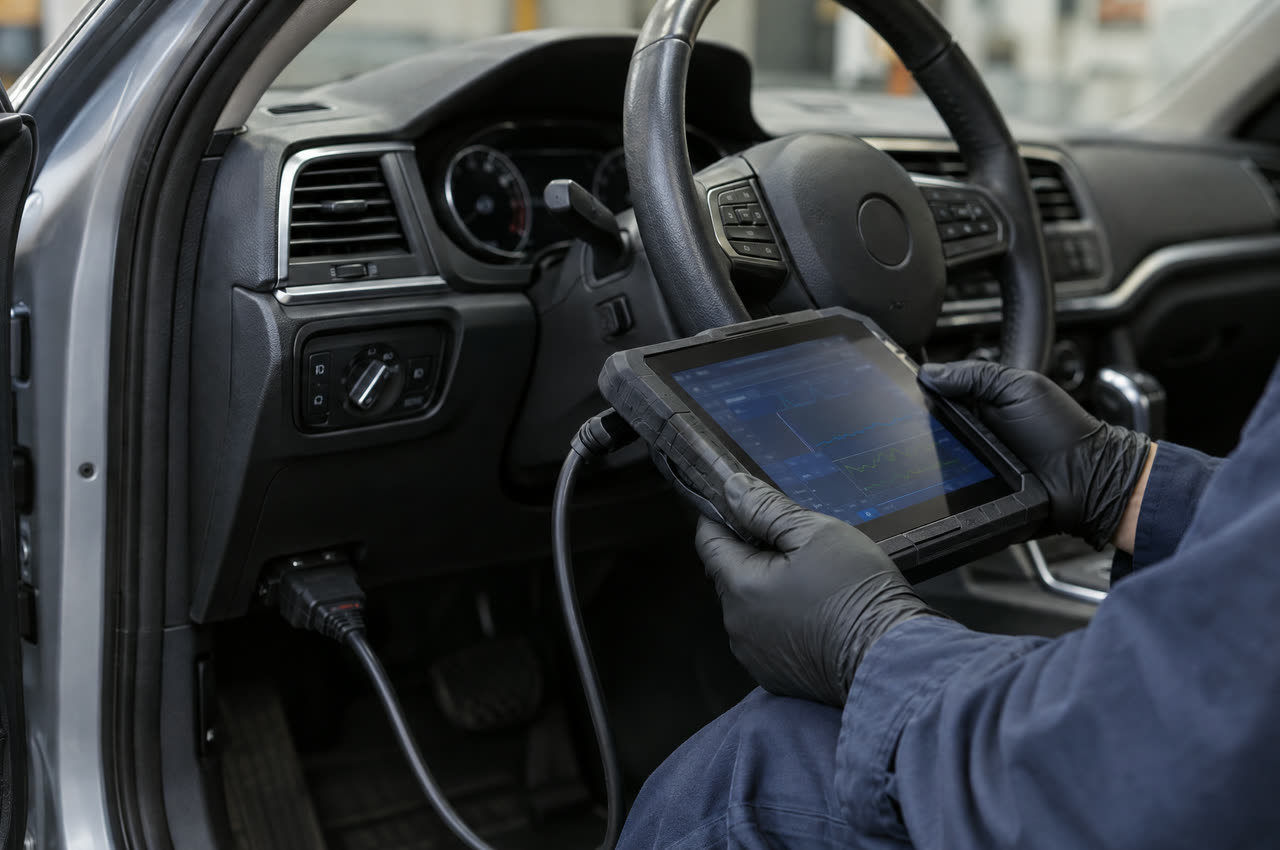
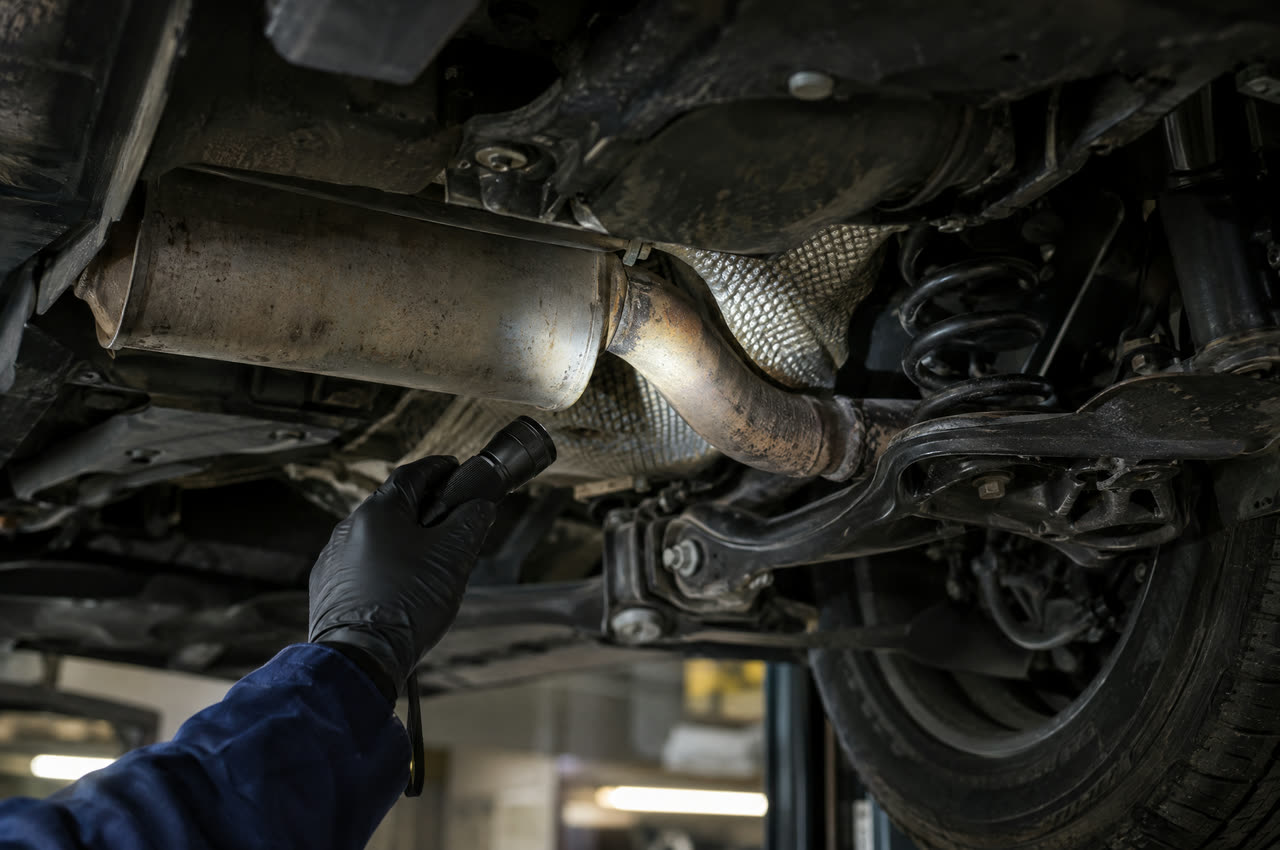
Why Ottawa cars fail
Most of what fails a safety here goes back to salt and potholes. The same few items come up again and again on cars that have lived a few winters in the east end.
- Steel brake lines rusted along the frame, or swollen under the clips that hold them.
- Calipers seized on their slides, so one pad is worn to the backing plate while the other looks new.
- Rotors rusted on the inside face, where you cannot see them through the wheel.
- Ball joints, tie rod ends and sway bar links worn loose after a few spring pothole seasons.
- Rust holes in the rocker panels, floors or around suspension mounts.
- Winter tires worn past the limit and still on the car in July.
- Burnt out bulbs, especially the licence plate light and third brake light, which owners rarely check.
A rusted brake line is the one fail that should not wait for a sale. If the inspection finds one, the car is not safe to drive hard until it is replaced. The details of that repair are on the brake repair page, and loose front end parts fall under shocks, struts and suspension.
If the car fails
A fail is not the end of the road. You get the list of items that did not meet the standard. You can have them repaired here or anywhere else, and then the car is checked again.
If you are selling as is and do not want to fix anything, that is allowed. You just have to tell the buyer the car is sold without a safety, and they take on the inspection.
Getting it done before a sale
A few things make the day go better:
- Walk around the car first. Bulbs, wipers and washer fluid are cheap to fix and silly to fail on.
- Look at the tires. If the winters are worn out and the summers are in the garage, put the better set on.
- If the car has been pulling under braking or knocking over bumps, mention it. It will be found anyway.
The safety inspection is $240 before tax. Repairs, if any are needed, are quoted before anything is replaced. You can read more on the Ontario safety inspection page.
Where to bring it
SA Auto Repair is at Unit 1, 1541 Star Top Road, right beside Highway 417 Exit 112 (Innes Road). The shop is open weekdays from 8:30am to 6pm and Saturdays from 9:30am to 2pm, and you can be served in English or French. Book the safety online at any hour and choose the safety inspection from the list.
Questions people ask
What is a Safety Standards Certificate in Ontario?
It is the document that says a used vehicle met Ontario's minimum safety standards on the day it was inspected. You need one to put plates on most used vehicles after a change of ownership. Since March 31, 2025 they are issued electronically through Ontario's DriveON program.
How long is an Ontario safety certificate good for?
A Safety Standards Certificate is valid for 36 days from the inspection. If the car is not registered in that window, it needs a new inspection. Plan the sale so the buyer can plate the car within those 36 days.
Can I sell a car in Ontario without a safety?
Yes, a private seller can sell a car as is without one. The buyer then has to get the car to pass a safety inspection before they can plate it and drive it on their own registration. That is usually why as is cars sell for less.
What are the most common reasons a car fails the Ontario safety?
On Ottawa cars the usual ones are rusted brake lines, seized or worn brakes, worn ball joints and tie rod ends, rust holes in the body or frame, worn tires and burnt out bulbs. Road salt is behind a lot of them. Most can be fixed and the car inspected again.
How much is a safety inspection in Ottawa at SA Auto Repair?
The Ontario safety inspection is $240 before tax at our Star Top Road shop. Any repairs the car needs to pass are quoted separately before work starts.
Related work
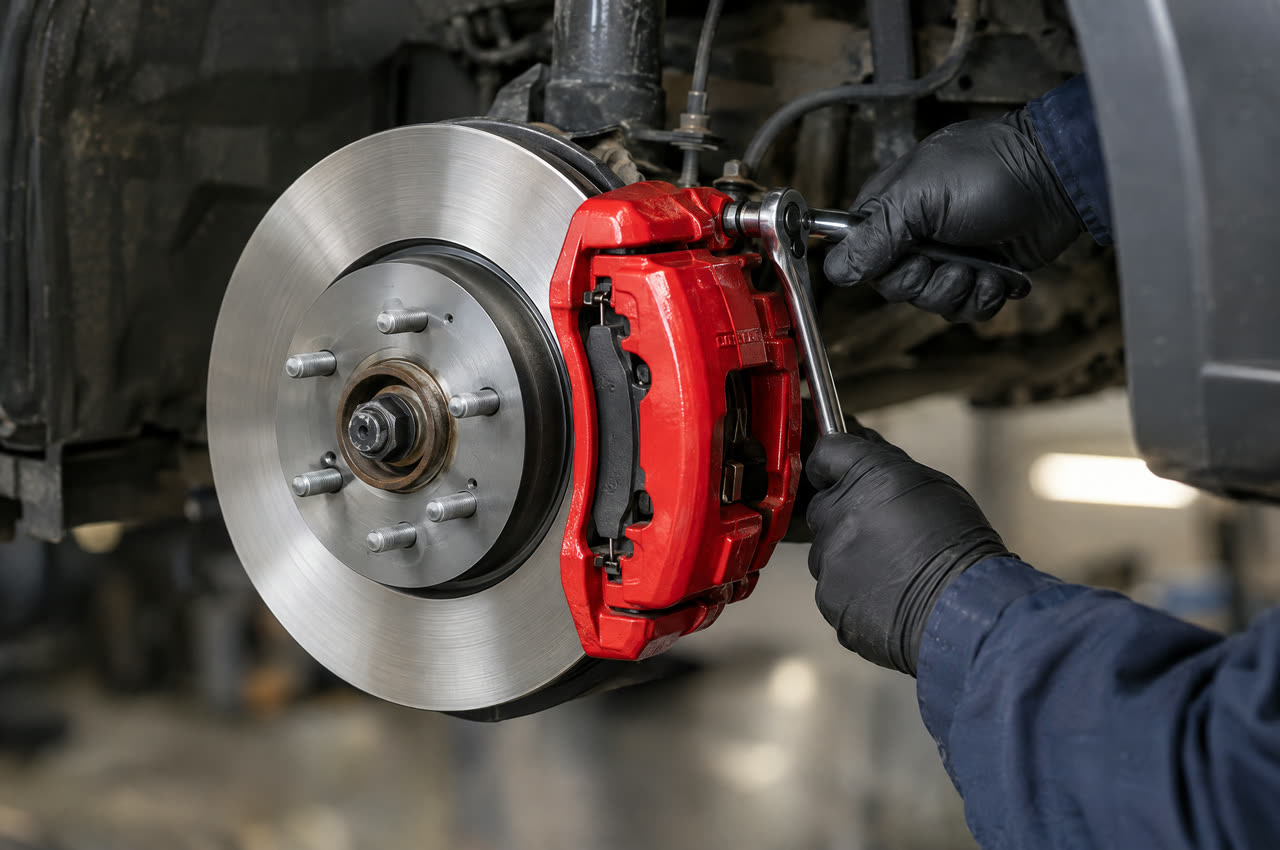
Book a time that suits you
Pick a time on the booking page whenever it suits you, describe what the car is doing and add a few photos. Drop it off by 2pm on the day you picked.